
Selling “Defective” Goods from the Start: My Takes on Korean Yakgwa
Explaining the taste of Yakgwa to someone who has never tried it is surprisingly tricky. It reminds me of how hard it is to describe durian to Koreans who have never tasted it—the closest comparison I can think of is a super sweet, perfectly ripe avocado.
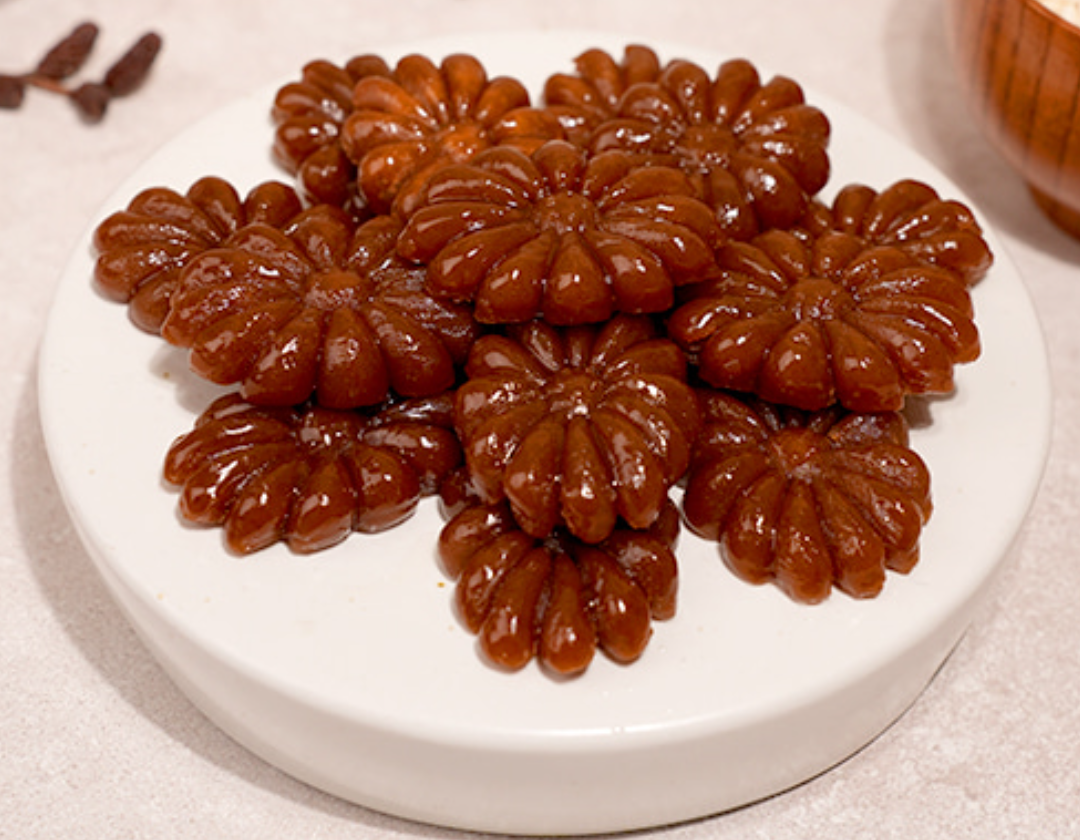
Yakgwa is just as unique. It’s a traditional Korean snack that I absolutely love, featuring a subtle sweetness that is rich and satisfying without being overwhelming. If I had to describe it to global readers or anyone foreign to Korean desserts, the closest point of reference in terms of texture would be a very rich chocolate brownie—dense, deeply satisfying, and chewy—except without any chocolate.

Made from wheat flour or sticky rice flour, along with sesame oil, honey, rice wine, ginger juice, salt, and pepper, the dough is fried and soaked in sweet syrup infused with cinnamon and ginger. The result? A crispy exterior with a rich, chewy core. Korean food used to be much less sweet, but these days, everything seems to be getting sweeter. Sometimes the intensity of this culinary shift leaves me genuinely surprised.

Either way, let’s talk about Yakgwa. There must be thousands of places selling it across Korea, ranging in size from tiny bite-sized pieces to as large as your palm. For the most part, the shape is fairly standardized.
Selling the “Misfits” on Purpose
Among all these options, there’s one brand worth mentioning: Jangin Yakgwa. Honestly, I wouldn’t call it the most delicious, but its marketing strategy is incredibly unique.
As word of mouth spread rapidly on social media, demand quickly outpaced production. To keep up, they began selling “paji”—imperfect, misshapen pieces—labeled as “Motnani” (못난이, meaning “the ugly one” or “misfit”) at a slight discount. Over time, buying these scrap pieces became completely normalized. The seller openly creates and distributes “defects,” and buyers eagerly purchase them without a single complaint about how crumpled they look.

It’s a striking contrast to typical retail scenarios, where a tiny dent can trigger outrage and immediate return demands. Interestingly, a handful of other Yakgwa shops have started selling their own “paji” pieces too, though it hasn’t quite caught on as a widespread trend. Still, selling imperfections out in the open is a fascinating phenomenon.
Recently, during a visit to the trendy Seongsu-dong district, I finally got to try Jangin Yakgwa myself. To my palate, though, it was unexpectedly plain.
The Real Find
So where can you find what I consider a truly exceptional Yakgwa?
As it turns out, it was at a small shop right in my neighborhood. The first time I tried it, my eyes nearly popped out of my head. It was unbelievably good. Every time I bought a container, I savored every single piece to make it last as long as possible.

The catch? It was produced by a local modern rice cake shop (fusion tteok-jip) that made Yakgwa merely to round out their menu. Unfortunately, it wasn’t cost-effective for them to produce. After selling it intermittently whenever the shop opened, the owner eventually declared they had no intention of ever making it again.

I’ve never found another Yakgwa that matches that flavor. It goes to show that traditional treats don’t necessarily have to be crafted by a century-old heritage shop passed down through generations to be extraordinary. This modern fusion shop just happened to master the art of making Yakgwa—though I’ll admit this might just be a matter of personal taste.
Gosh, I miss it so much. 😭
Leave a Reply